How Shop Services Enhance Manufacturing Effectiveness and Quality in Industrial Applications
Factory solutions play a vital duty in enhancing manufacturing effectiveness and high quality throughout different industrial applications. By implementing advanced metal spreading techniques, these solutions guarantee components are produced with precision and uniformity. This not just lowers preparations but additionally lessens waste, promoting better collaboration between factories and manufacturers. The impact of top quality parts on operational performance raises crucial inquiries about the future of industrial production. What advancements exist in advance in this advancing landscape?
The Duty of Shop Solutions in Streamlining Manufacturing Processes
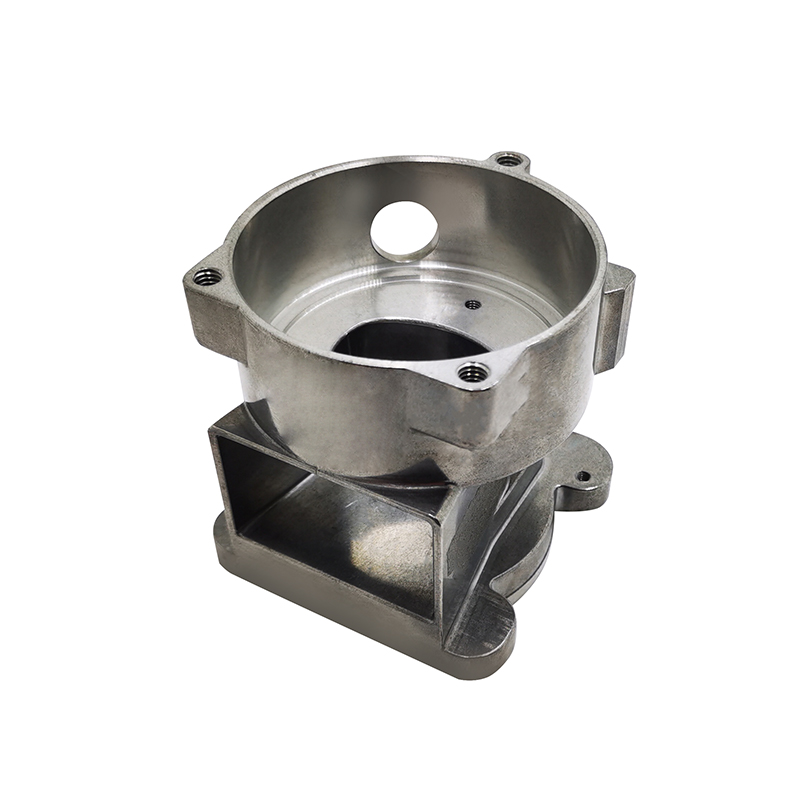
Foundries typically offer competence in alloy development, enabling makers to make use of innovative products that boost product performance. The collaboration between foundries and suppliers fosters a far better understanding of manufacturing requirements, resulting in optimized processes and enhanced product designs. By leveraging factory solutions, producers can accomplish higher versatility, adjust to altering market demands, and maintain competitiveness in the sector. Generally, the function of shop services is vital in helping with a much more cost-effective and efficient manufacturing landscape.
Advanced Technologies in Shop Operations
Innovative innovations are changing factory operations, significantly boosting productivity and precision. Automation plays a crucial role, with robot systems improving repeated tasks such as molding and material handling. Furthermore, developments in computer-aided style (CAD) and computer-aided manufacturing (WEBCAM) systems allow foundries to develop complex geometries with higher precision and decreased material waste.
The combination of synthetic knowledge (AI) and device learning improves high quality control by monitoring processes in real-time and forecasting potential defects prior to they take place. Using innovative products, such as lightweight alloys and compounds, better enhances the efficiency features of cast items.
Furthermore, 3D printing modern technology is changing prototyping and tooling, allowing for rapid modification and minimized preparations. Jointly, these innovative modern technologies not only elevate production performance but likewise assure that the last products fulfill rigid high quality requirements, placing shops at the leading edge of contemporary industrial applications.
Lowering Lead Times Via Reliable Factory Practices
Reliable factory methods play an important role in decreasing preparations within production settings. By implementing streamlined manufacturing procedures and progressed scheduling methods, producers can boost workflow and maximize resource allotment. These improvements not only increase outcome yet additionally add to total operational efficiency.
Structured Production Procedures
Improving manufacturing procedures is necessary for reducing lead times in the production sector. Efficient foundry techniques, consisting of maximized operations and resource management, play an essential function in attaining this objective. By lessening waste and improving communication amongst groups, factories can greatly improve their operational performance. The execution of standard procedures likewise adds to consistent top quality and faster turn-around times, allowing producers to react even more quickly to market needs. Furthermore, the assimilation of advanced modern technologies, such as automation and real-time surveillance systems, aids in determining bottlenecks and assisting in prompt interventions. Overall, a concentrate on structured manufacturing procedures not just speeds up lead times however also boosts the general competitiveness of commercial applications, making certain that products satisfy client expectations successfully.
Advanced Scheduling Techniques
Efficient manufacturing processes normally lead makers to check out sophisticated scheduling techniques as a way to further reduce preparations. By employing advanced algorithms and software, shops can optimize operations, aligning manufacturing schedules with need forecasts and resource accessibility. Methods such as Just-In-Time (JIT) scheduling minimize stock expenses while making sure prompt product delivery, thus boosting functional efficiency. In addition, integrating real-time information analytics enables foundries to expect possible hold-ups and adjust routines proactively. This flexibility not just improves procedures but likewise improves total efficiency. In addition, collaborative preparation with distributors and clients can foster an extra synchronized supply chain, additional lowering preparations. Ultimately, these sophisticated scheduling techniques empower shops to accomplish higher performance and exceptional high quality in their manufacturing processes.
Making Certain Precision and Quality in Steel Casting
Guaranteeing accuracy and top quality in steel casting needs a meticulous approach that encompasses every phase of this content the production process. This procedure starts with careful style and engineering of the molds, guaranteeing they can hold up against the liquified metal's temperature and pressure. The selection of high-quality raw materials is vital, as pollutants can endanger the last item.
When the products are prepared, accurate temperature level control during melting and putting is essential to achieve the desired residential properties in the actors metal. Keeping track of solidification and cooling rates more warranties dimensional precision and surface area finish.
Quality control techniques, such as non-destructive screening and assessment, are vital to recognizing defects early in the procedure. Precision aluminum casting. Additionally, employing knowledgeable workers who comprehend the nuances of steel spreading adds considerably to maintaining high requirements. On the whole, these methods jointly improve the integrity and performance of cast parts in numerous industrial applications
Minimizing Waste and Maximizing Resource Application
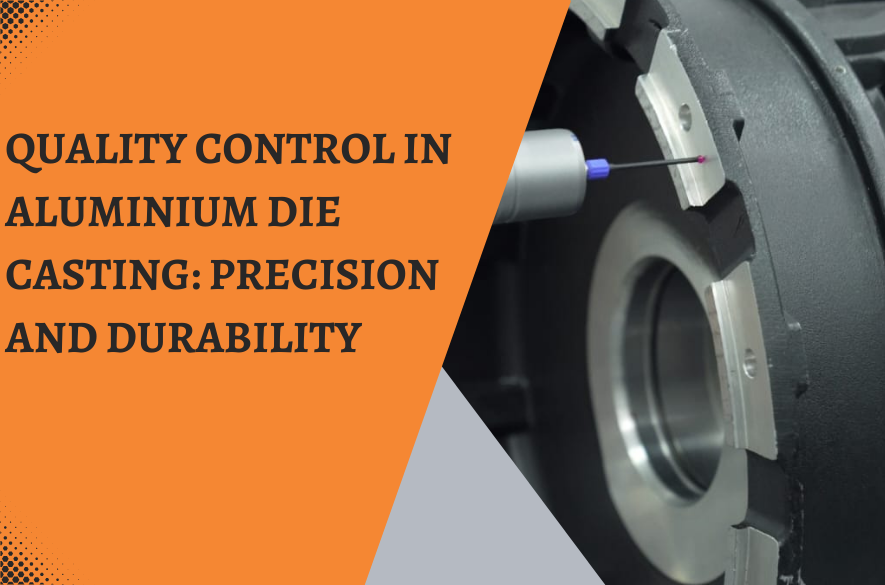
Furthermore, recycling scrap metal within the foundry itself can significantly decrease waste, transforming spin-offs into functional resources. Lean manufacturing concepts also add to squander reduction by enhancing processes and getting rid of unnecessary actions, bring about much more efficient operations.
Normal upkeep of tools guarantees peak performance, preventing breakdowns that can result in squandered materials. By concentrating on these methods, factories not only minimize expenses but also add to lasting techniques, lining up with the growing need for eco accountable manufacturing techniques in industrial applications.
The Affordable Advantage of High-Quality Parts in the marketplace
Premium components offer a considerable affordable benefit in the factory market, where precision and longevity are extremely important. Manufacturers that focus on remarkable materials and craftsmanship can boost product efficiency and integrity, leading to enhanced customer complete satisfaction. This benefit is particularly apparent in sectors such as auto and aerospace, where component failure can have disastrous consequences.
In addition, high-quality components usually cause lower upkeep costs and prolonged item lifespans, which can be attractive selling factors for potential customers. As market needs expand for lasting and reliable modern technologies, the emphasis on high quality ends up being even more crucial. Companies that invest in top quality factory services not only improve their production procedures but also distinguish themselves from competitors who may give up quality for price financial savings. As a result, the dedication to high-grade components ultimately converts right into a more powerful market placement and lasting company success.
Frequently Asked Inquiries
What Kinds of Products Do Factory Services Typically Collaborate With?
Foundry solutions normally deal with steels such as aluminum, steel, brass, and iron, along with numerous alloys. They likewise handle products like porcelains and compounds, accommodating diverse industrial requirements and specs in manufacturing processes.
How Do Factory Solutions Influence Overall Supply Chain Management?
Factory solutions considerably boost supply chain monitoring by simplifying product sourcing, decreasing preparations, and guaranteeing consistent quality. Their capacity to supply tailored options cultivates partnership amongst stakeholders, ultimately boosting general functional efficiency and responsiveness in manufacturing.
What Industries Benefit Many From Foundry Services?
Industries such as vehicle, aerospace, customer, and construction items considerably benefit from foundry services. These markets rely upon precision spreadings to fulfill strict high quality criteria and enhance their general production procedures and product performance.
Are Foundry Solutions Sustainable and Eco-friendly?
Shop solutions can be ecologically pleasant and sustainable, especially when employing sophisticated modern technologies and procedures - Aluminum Casting Company. Technologies such as reusing products, reducing exhausts, and enhancing energy usage resource add to reducing their environmental impact in commercial applications
Exactly How Can Business Select the Right Shop Company?
Firms can choose the right shop solution company by examining knowledge, manufacturing abilities, top quality accreditations, technology utilized, client testimonials, and sustainability practices while making why not try these out sure positioning with their specific job requirements and long-lasting company goals.
Foundry services play an important function in enhancing production effectiveness and top quality throughout different commercial applications. The partnership between makers and factories promotes a much better understanding of production requirements, leading to enhanced procedures and boosted product layouts. Effective foundry methods play a vital role in decreasing lead times within production settings. By utilizing sophisticated formulas and software application, factories can enhance operations, aligning manufacturing schedules with demand projections and source accessibility. Firms that invest in top notch foundry services not just improve their manufacturing processes however additionally distinguish themselves from rivals that may compromise quality for expense financial savings.